Column · @marcogxco272
Why Dental Crowns Are Often Recommended After Root Canals
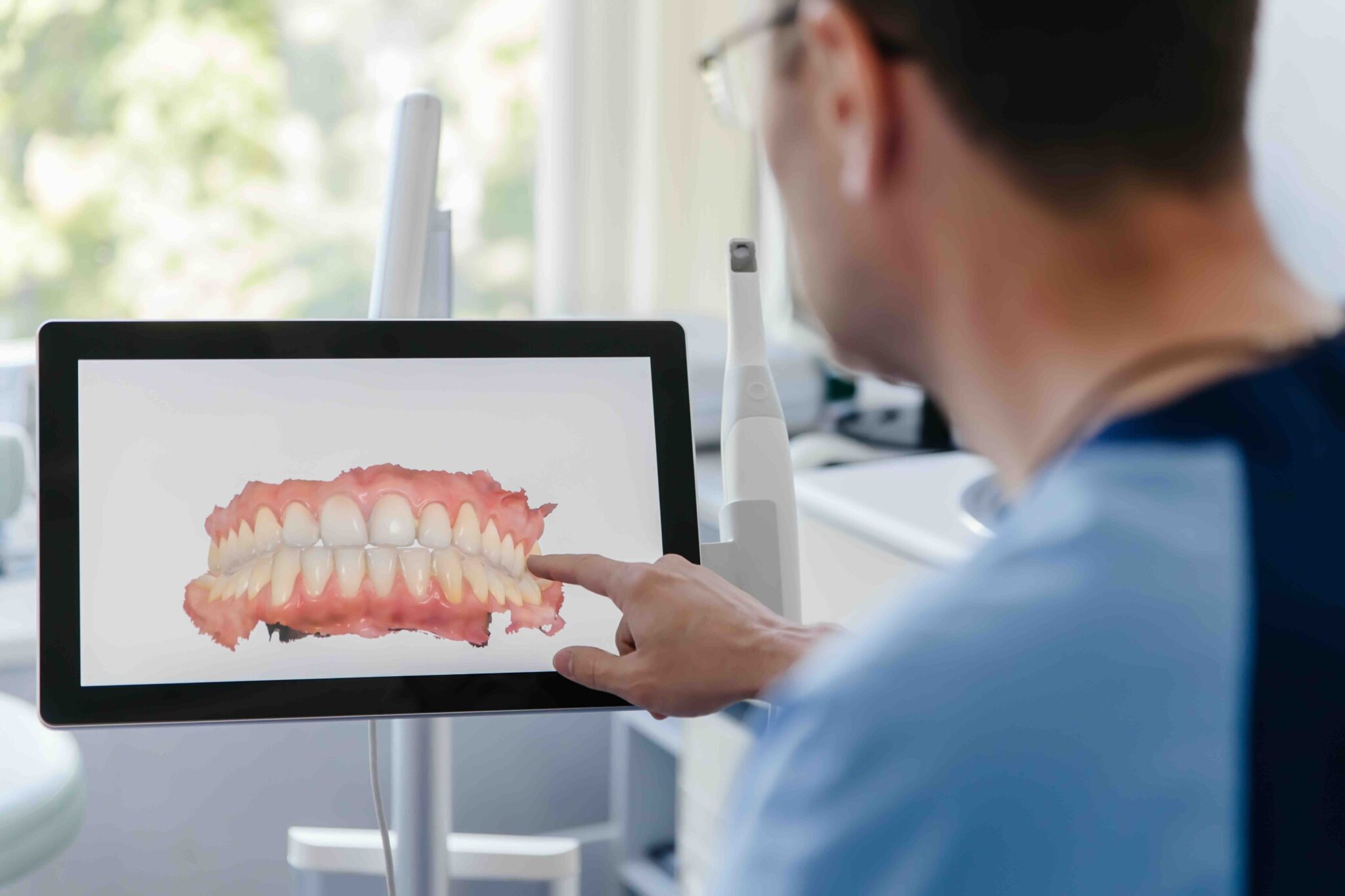
A root canal often brings relief. The infection is removed, the pressure settles, and the tooth that had been throbbing for days or weeks can finally calm down. Many patients assume that once the root canal is finished, the hard part is over and the tooth is essentially fixed. From a pain standpoint, that can be true. From a structural standpoint, it is usually only half the job.
That gap between feeling better and being fully restored is where a lot of confusion begins. Dentists frequently recommend Dental Crowns after root canal treatment, and to patients who are no longer in pain, that can sound excessive. If the nerve has been treated and the tooth is no longer infected, why cover it with a crown? Why not just place a filling and move on?
The answer has less to do with infection and more to do with engineering. A tooth that has needed a root canal has usually already been through a great deal. It may have a large cavity, an old failing filling, a crack, repeated dental work, or a fracture that weakened the remaining enamel and dentin. The root canal addresses the inside of the tooth, specifically the pulp and root canal system. It does not rebuild the outer shell that must survive years of chewing forces.
That is why crowns are so often part of the treatment plan. They are not an automatic add-on in every case, but they are commonly recommended because they reduce the risk of the tooth breaking later, sometimes beyond repair.
What changes in a tooth after a root canal
There is a popular idea that root canal treated teeth become “dead” and therefore brittle in the same way a dry twig becomes brittle. That is not the most accurate way to think about it. The tooth is no longer vital in the sense that the nerve tissue and blood supply inside the pulp chamber have been removed, but the tooth is still anchored by the periodontal ligament and remains functional in the mouth.
The more important issue is not simply loss of vitality. It is loss of structure.
By the time a tooth needs a root canal, the tooth is often already missing a substantial amount of healthy material. A deep cavity has to be cleaned out. Old restorations may need to be removed. The opening made to access the canals creates another pathway through the top of the tooth. If the tooth had a fracture or a large broken cusp before treatment, that weakness remains unless it is rebuilt properly.
Molars and premolars are especially vulnerable because they take the greatest chewing load. Every time a person bites into crusty bread, almonds, ice, or a piece of meat with some resistance, those back teeth absorb significant force. In a healthy tooth, intact enamel and dentin distribute that force well. In a root canal treated tooth with thin walls, large fillings, or unsupported cusps, the pressure can concentrate in the wrong places and lead to cracking.
Patients often say, “But it feels fine.” That can be misleading. Pain is not a reliable warning sign once the pulp is gone. A tooth can be silently weakening under normal chewing until one day a cusp snaps off or a crack runs down the root.
The real purpose of a crown
A crown is a full-coverage restoration that fits over the visible part of the tooth, restoring its shape, strength, and function. It is not simply cosmetic, though crowns can also improve appearance. After a root canal, the crown’s primary job is protective.
Think of it as a custom-fitted outer shell. Instead of asking a patched, hollowed, weakened tooth to endure years of biting on its own, the crown wraps and reinforces what remains. It helps bind the tooth together and reduces the chance that individual parts of the tooth flex apart under load.
That matters because many tooth fractures happen not all at once, but gradually. Tiny flexing under repeated chewing can create stress lines. Those stress lines become cracks. A crown changes how force is spread across the tooth and can dramatically improve the long-term survival of many root canal treated teeth.
In everyday practice, the difference is easy to see over time. Teeth that had extensive damage and were restored only with large fillings are more likely to return with broken cusps or vertical cracks. Teeth restored promptly with well-made crowns tend to hold up better, especially in the back of the mouth.
Why back teeth almost always get this recommendation
If there is one place where this advice becomes especially consistent, it is the back teeth. Molars and premolars do the grinding. They take more force, and their shape makes them more likely to split when weakened.
A molar after root canal therapy often looks sturdy from the outside, but appearances can deceive. Under the surface, it may have very little natural tooth left between old decay, previous fillings, and the access opening used during treatment. That remaining shell can be thin. Thin cusps are notorious for breaking.
Dentists recommend crowns for these teeth because experience has shown what happens when they are left unprotected. A patient may chew normally for a few months, sometimes a year or two, then suddenly feel a sharp crack while eating something ordinary. At that point the tooth may still be restorable, or it may not. If the fracture extends below the gum line or down the root, extraction may become the only practical option.
This is one of the most frustrating outcomes in dentistry because the patient often feels the root canal “failed,” when in fact the canal treatment may still be fine. The problem is structural failure of the tooth above or through the root.
Front teeth are a different conversation
Not every root canal treated tooth automatically needs a crown. Front teeth can be an exception.
Incisors and canines generally handle less chewing force than molars. Their anatomy is different, and if a front tooth is still mostly intact after root canal treatment, a conservative restoration may be reasonable. In some cases, a bonded filling is enough. If the tooth is discolored, heavily broken down, or has had trauma, then a crown may still be the better option.
This is where judgment matters. A small access opening in a front tooth with strong surrounding tooth structure is very different from a front tooth that lost half its edge in an accident. The recommendation depends on how much sound enamel remains, whether there are existing restorations, the patient’s bite, and whether habits like clenching are present.
Patients sometimes hear stories from friends who had a root canal and no crown, then assume the same should apply to them. The problem is that these cases are not interchangeable. The tooth involved and the amount of remaining structure matter at least as much as the root canal itself.
A filling can close the opening, but it may not protect the tooth
This point causes a lot of misunderstanding. After a root canal, the tooth does need to be sealed. A filling can do that. Sealing the access opening is essential because it helps prevent bacteria from leaking back into the tooth.
But sealing and strengthening are not the same thing.
A filling is ideal when the missing area is modest and the surrounding tooth is strong enough to support normal function. If too much of the tooth is gone, a filling becomes more like a patch in a wall that no longer has enough framing behind it. It may look acceptable at first, but the overall structure is still compromised.
Large fillings can also create wedge forces in weakened cusps. Under biting pressure, the remaining tooth walls may flex outward. Over time they can crack. That is one reason a tooth may break even if the filling itself is technically intact.
Crowns, on the other hand, are designed for full coverage. They replace and protect the outer architecture of the tooth, not just the missing internal space. For heavily treated back teeth, that distinction is crucial.
Timing matters more than many people realize
One of the most common problems after root canal treatment is delay. The tooth stops hurting, life gets busy, and the patient puts off the crown for a few months. Sometimes those few months turn into a year. During that time, the temporary filling or core remains in service longer than intended.
Temporary materials are useful, but they are not built for long-term chewing. Even permanent buildups placed before a crown are often not the final protective solution. The tooth remains at increased risk until the final restoration is completed.
Dentists see the pattern often enough to be cautious about it. A patient feels fine after the root Dental Crowns simpledentalca.com canal, waits to return for the crown, bites on something firm, and breaks the tooth before the appointment is scheduled. The unfortunate part is that the break can happen during a completely routine meal.
This does not mean every delay leads to disaster. Some teeth hold up for quite a while. But risk tends to rise with time, especially for molars with extensive loss of structure.
What the crown is actually protecting against
There are several failure modes dentists are trying to prevent when they recommend a crown after a root canal. The most significant ones are straightforward:
- Fracture of a cusp or wall of the tooth
- Split tooth syndrome, where a crack extends through the tooth
- Leakage around large restorations that compromises the seal
- Loss of the remaining tooth structure to wear or repeated stress
- Eventual extraction because a once-restorable tooth became non-restorable
Patients often focus on the root canal as the major investment, but from a long-term perspective, protecting the tooth afterward is what helps that investment pay off.
The cost question, and why people hesitate
It is understandable that some patients pause when a crown is recommended. Root canal therapy is already a significant treatment, and adding a crown can feel like the price keeps climbing. If the tooth no longer hurts, the urgency can be hard to appreciate.
Part of the hesitation comes from not seeing the difference between elective and preventive care. A crown after root canal treatment can look elective because the pain is gone. In reality, it often functions more like a preventive structural repair. Its purpose is to reduce the chance of a much more expensive or irreversible problem later.
That said, cost concerns are real, and a good dental conversation should acknowledge them honestly. In some situations, a dentist may discuss interim approaches, phased treatment, or priorities if several teeth need attention. But those discussions should be grounded in the actual risk to the tooth, not in wishful thinking that a weakened molar will behave like an untouched one.
There is also a difficult truth that patients deserve to hear clearly: once a root canal treated tooth fractures badly enough, the next step may be extraction and replacement, not a cheaper alternative. Replacing a missing tooth with an implant or bridge is usually more involved and more costly than protecting the original tooth with a crown when it was still salvageable.
Materials matter, but design matters more
Patients sometimes ask whether a crown should be porcelain, zirconia, porcelain fused to metal, or gold. Those are reasonable questions, but the discussion can become too focused on material alone.
The success of a crown after root canal therapy depends heavily on proper design, fit, and the amount of healthy tooth available to support it. One concept dentists pay close attention to is ferrule, meaning a band of solid tooth structure that the crown can grip around the tooth. When enough sound tooth remains above the gum line, the crown has a better chance of holding the tooth together. When almost nothing remains, the prognosis becomes more guarded no matter what material is chosen.
A well-made crown also depends on bite adjustment. If a restored tooth takes excessive force in one area, even a strong crown can fail or contribute to root fracture. This is why careful finishing and checking the bite matter so much.
In some cases, a post may be placed inside the root to help retain a buildup when not enough tooth remains. Patients often assume the post strengthens the tooth. Sometimes it helps with retention, but it does not automatically reinforce the root and can create its own risks if overused. Again, judgment is everything.
Cases where a crown may not be necessary
Even though crowns are commonly recommended, they are not mandatory in every case. A few situations may allow a more conservative approach.
A small front tooth access in an otherwise intact tooth is one example. Another is a tooth that already has substantial cuspal coverage from an existing restoration that can be predictably maintained or replaced conservatively. Occasionally, patient-specific factors such as limited biting force or a very favorable bite may influence the decision.
Still, these are exceptions, not the rule for most back teeth. When a dentist recommends a crown after a root canal, it is usually based on the amount of remaining structure and the expected forces that tooth will face every day.
A useful way to think about it is simple: the less natural tooth left, and the more force the tooth must bear, the stronger the argument for a crown.
What patients can ask before deciding
A good treatment discussion should be specific. Not all root canal treated teeth are equal, and patients are entitled to understand why a crown is or is not being advised in their case. A few practical questions can make the conversation clearer:
- How much healthy tooth structure is actually left?
- Is this tooth in a high-force area of my bite?
- What is the risk if I delay the crown for a few months?
- Would a filling be predictable here, or just less expensive in the short term?
- Are there signs of cracks already present?
Those questions tend to move the conversation Dental Crowns away from sales anxiety and toward clinical reasoning, which is where it belongs.
The role of habits like grinding and clenching
Some teeth are under far more stress than patients realize. Night grinding, daytime clenching, nail biting, chewing ice, and using teeth as tools all increase fracture risk. In someone with bruxism, even a well-treated root canal tooth can be vulnerable without full coverage.
This is often where experience changes the recommendation. A dentist who sees evidence of grinding, worn enamel, flattened edges, or muscle tenderness may be quicker to recommend a crown, or even a night guard afterward, because the forces involved are simply higher. A tooth that might survive with a large filling in one person may crack in another person with heavy parafunctional habits.
That is also why two dentists can both be reasonable yet not give identical recommendations if they are seeing different risk factors, or if one has more information about how the patient functions over time.
When a crown will not save the tooth
It is worth stating plainly that crowns are not magic. They are protective, but they are not a guarantee.
If a tooth already has a deep vertical root fracture, severe decay extending below the gum line, advanced periodontal problems, or too little remaining structure to retain a restoration predictably, a crown may not solve the problem. In such cases, the conversation shifts from protecting a tooth to whether the tooth is actually restorable.
This distinction matters because patients sometimes hear “you need a crown” as if it were a universal answer to any compromised tooth. It is not. A crown works best when there is still a sound foundation to build on. The timing of treatment is part of that foundation. Teeth usually do better when they are restored before catastrophic breakdown occurs.
Why the recommendation is so common
The short answer is that dentists are trying to help a root canal treated tooth survive chewing, time, and daily use. The root canal removes infection and preserves the tooth from the inside. The crown often preserves it from the outside.
When patients decline crowns on heavily restored back teeth, the immediate result may seem fine. Sometimes it stays fine for a while. But over years of ordinary use, the odds of fracture rise. Once that fracture becomes severe, the treatment options narrow quickly.
That is why Dental Crowns come up so often after root canals. They are not simply a routine extra. In many cases they are the restoration that turns a pain-free tooth into a durable one.
A root canal can save a tooth biologically. A crown often helps save it mechanically. Both pieces matter, and for many teeth, especially molars and premolars, they work best together.
Simple Dental Vermont
Address: 8914 S Vermont Ave, Los Angeles, CA 90044
Phone number: +13239493000
FAQ About Dental Crowns
How much do crowns cost per tooth?
In the United States, a single dental crown typically costs between $800 and $2,500 per tooth without insurance. The ultimate out-of-pocket price depends heavily on the crown material, the location of the tooth, and whether you have dental insurance coverage.
What is the downside of crowns on teeth?
The primary downside of a dental crown is that the procedure permanently removes natural tooth enamel to shape the tooth for the cap.
Why do dentists push for crowns?
Dentists recommend crowns because a large filling cannot provide enough strength when a tooth loses a major portion of its structure or faces heavy chewing pressure.