Column · @marcogxco272
How Dental Crowns Affect Speech and Chewing
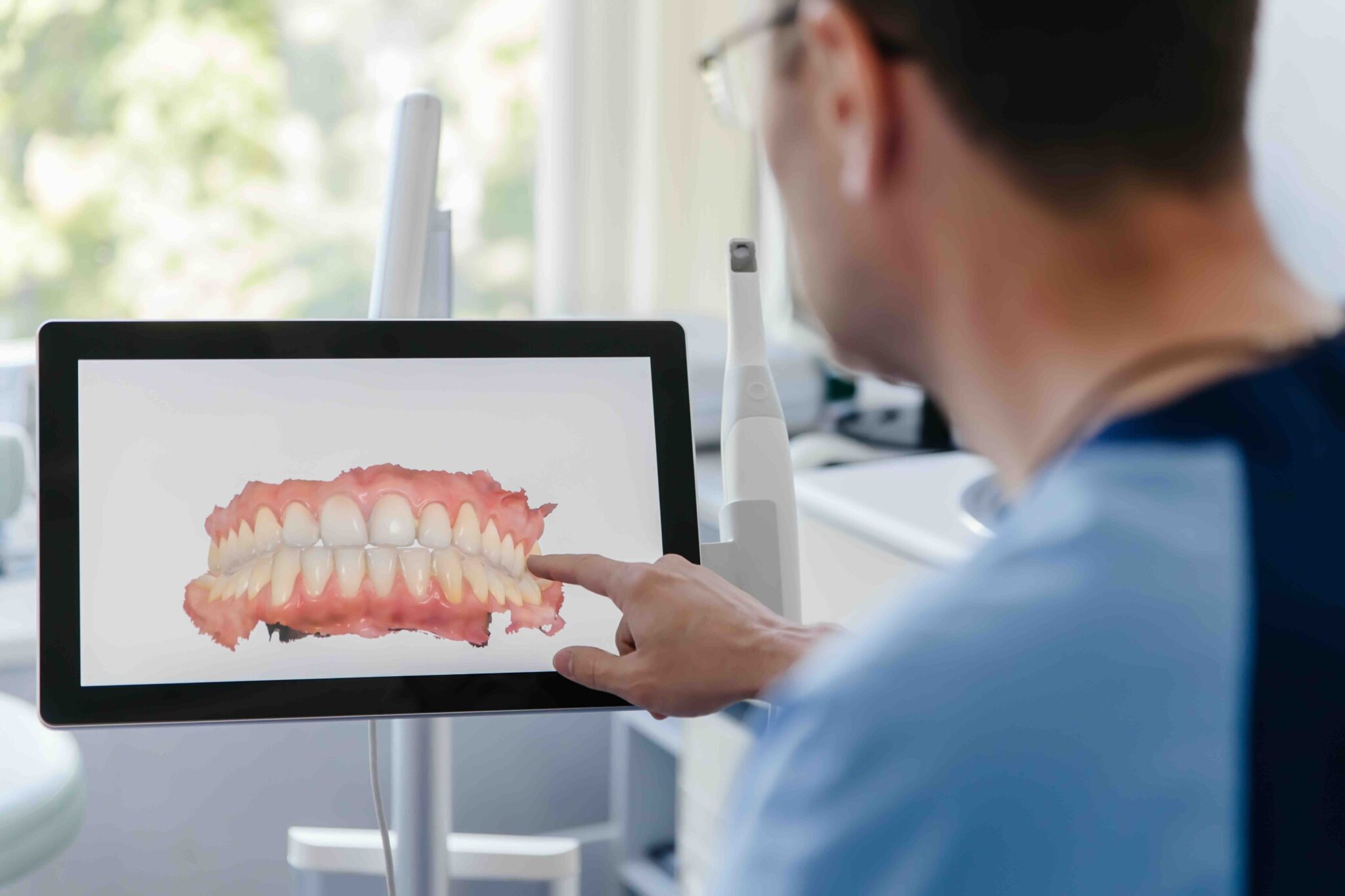
Getting a crown sounds straightforward when it is described in a treatment plan. The tooth is damaged, weakened, heavily filled, or treated with a root canal, so it gets covered and protected. On paper, that is the whole story. In the mouth, though, a crown changes shape, height, surface texture, and the way the upper and lower teeth meet. Those details matter because speech and chewing depend on very small movements that most people never notice until something feels off.
Patients usually ask practical questions. Will I talk funny afterward? Will it hurt to chew? Will food get stuck around it? Those are the right questions. A well-made crown should let you speak and eat normally, and many people adapt so quickly that they stop thinking about it within days. But there is a short adjustment period for some, and when the crown is too high, too bulky, or poorly contoured, the effects on speech and chewing can be surprisingly obvious.
The good news is that most of these issues are manageable. Some are part of normal adaptation. Others signal that the bite or shape needs refinement. Knowing the difference helps people respond calmly and get help when it is actually needed.
Why the mouth notices a crown so quickly
The mouth is an extremely sensitive environment. The tongue can detect tiny changes in texture and contour, far more precisely than people expect. A new filling that feels invisible to the eye can seem huge to the tongue. A crown, which covers the whole visible part of a tooth, is an even bigger change.
Speech is produced through coordinated contact among the tongue, teeth, lips, palate, and jaw. Chewing relies on the way the teeth meet, glide, and distribute pressure. Even a fraction of a millimeter can change where force lands during a bite. That is why dentists spend time checking contacts with articulating paper and asking patients to bite, slide, and tap.
This sensitivity cuts both ways. It means patients notice problems early, but it also means the brain often adapts quickly to a crown that is technically sound. A tooth that feels odd on day one may feel completely normal a week later, without any adjustment at all.
How dental crowns can affect speech
Speech changes after crown placement are usually temporary, and they are more common when the crown is on a front tooth or on the biting surfaces that guide tongue movement. Not every sound is equally affected. Certain consonants rely on close relationships between the tongue and the teeth, especially sounds like s, z, t, d, th, and f.
If a front crown is slightly thicker on the tongue side than the natural tooth it replaced, the tongue may hit it differently during speech. Patients sometimes describe a mild lisp, a whistle on s sounds, or a sense that words feel clumsy. This can happen even when the crown looks excellent from the front, because the outside appearance and the inner contour are doing different jobs.
The location of the crown matters. A crown on a back molar usually has less direct effect on speech than a crown on an upper central incisor. That said, a Dental Crowns back crown that changes the way the jaw closes can still influence speech indirectly. When the bite feels unstable, people may subconsciously shift their jaw position while talking, and that can alter articulation.
Temporary crowns deserve their own mention. They are often less polished, less precise, and made from different materials than final crowns. It is common for temporary crowns to feel bulkier or rougher. A patient may speak differently for a week or two with a temporary and then return to normal after the permanent crown is placed. That pattern is familiar in practice and not usually a cause for alarm.
There is also a psychological layer. When people are very aware of a new dental restoration, they monitor every word they say. That heightened attention can make a minor change seem larger than it is. The first few phone calls, meetings, or social conversations after treatment often feel awkward, then the sense of awkwardness fades once the person stops tracking every sound.
Which speech changes are normal, and which are not
A mild, short-lived change in speech is common after a crown, especially in the first several days. The tongue is learning a new map. Saliva flow may also increase briefly because the mouth interprets the crown as something new. More saliva can make speech feel sloppy for a day or two.
What is less normal is speech that remains noticeably distorted after the initial adjustment period, particularly if the crown feels bulky, catches the tongue, or seems to push the lips outward. In those cases, the contour may need reshaping. This does not always mean the crown was badly made. Sometimes a crown is clinically acceptable but not ideal for that specific patient's tongue posture or speech patterns. A small modification can make a large difference.
I have seen patients struggle most with upper front crowns that are slightly overbuilt on the palatal side, meaning the side facing the tongue. These crowns can look beautiful in photos yet interfere with s and sh sounds. A subtle reduction and polish often resolves the problem far faster than waiting indefinitely for adaptation.
How dental crowns affect chewing
Chewing problems after crown placement tend to be more noticeable than speech changes because biting generates force. If the crown is even slightly too high, it may contact before the other teeth do. Patients often describe that tooth as "hitting first." That early contact can create soreness, chewing hesitation, or the sense that the whole bite is off.
A properly fitted crown should restore chewing efficiency, not reduce it. After all, one of the main reasons for placing Dental Crowns is to rebuild lost structure so a tooth can handle normal function again. When everything is shaped and balanced correctly, chewing should feel steady and predictable.
Several factors can temporarily affect chewing after crown placement. The tooth may be a little irritated from the procedure. The gums around the tooth may be tender from retraction or impression work. If local anesthesia is still wearing off, people may bite awkwardly simply because the cheek and tongue do not feel normal yet. Those short-term issues are common and usually settle.
A more persistent chewing problem often points to one of three things: the bite is too high, the contacts with neighboring teeth are too tight or too open, or the tooth underneath is still biologically sensitive. Each has a different feel.
A high bite usually causes discomfort when biting down, especially on firmer foods. Patients may avoid chewing on that side because the pressure feels sharp or wrong. Tight contact with adjacent teeth can make floss snap or shred, and food may feel wedged. Open contact tends to trap food between teeth, which can inflame the gum and make chewing annoying. Sensitivity from the tooth itself may show up as pain with cold, sweetness, or pressure, even if the crown shape is fine.
The role of bite height and occlusion
Occlusion is the technical term for how the teeth come together. It sounds abstract until a crown disrupts it. Then it becomes very real. Humans do not chew straight up and down like a hinge. The jaw closes, shifts slightly, and glides. Different teeth share force in different ways. A crown has to fit that pattern.
When a crown is too high by a small amount, patients can feel it immediately. They may not have the words for it, but they know one tooth is getting too much load. Over time, that extra load can do more than make chewing uncomfortable. It can cause tenderness in the tooth, soreness in the ligament around the root, jaw muscle fatigue, or a feeling of pressure at the end of the day.
The opposite problem is less dramatic but still important. If a crown is too low, it may not participate enough in chewing. The patient may not feel pain, but food can bypass that area, and neighboring teeth may take more force than they should. Dentists aim for balanced contacts that are appropriate for the tooth's position and the patient's bite pattern.
People who clench or grind often notice crown-related chewing changes more intensely. They place heavy, repeated force on their teeth, so a small discrepancy becomes obvious quickly. In these patients, precision matters even more, and occasional follow-up adjustment is not unusual.
Front crowns, back crowns, and different functional demands
Not all crowns behave the same way because teeth have different jobs. Front teeth guide speech, bite into food, and contribute heavily to appearance. Their shape affects airflow, lip support, and the way the tongue approaches the teeth. A crown here must satisfy function and esthetics at the same time, which can be a delicate balance.
Back teeth, especially molars, are workhorses. They absorb and distribute chewing forces. A molar crown may have little effect on how a person pronounces words, but it has a major effect on how comfortably they chew a crust of bread, a piece of chicken, or a handful of nuts. The grooves and cusps need to be shaped in a way that allows normal chewing without creating interferences.
Premolars sit somewhere in between. They contribute to chewing and can affect the smile line depending on the person's lip shape. A crown there may not alter speech much, but if it is too bulky toward the cheek or tongue, the patient may still feel it during everyday movement.
Material matters, but fit matters more
Patients often ask whether porcelain, zirconia, metal, or porcelain-fused-to-metal crowns feel different in speech or chewing. Material can influence thickness, surface smoothness, and how a crown is designed, but fit and contour usually matter more than the label.
A polished ceramic crown can feel very natural. So can a metal crown in the right location. Problems usually come from shape, contact, and bite rather than the material itself. A rough or under-polished surface may catch the tongue more. A very thick restoration may alter space for the tongue. But a well-designed crown in any common restorative material should support normal speech and chewing.
There is one practical point worth noting. Some all-ceramic crowns on front teeth are designed conservatively to preserve esthetics and strength, and that sometimes affects the contour choices. Skilled lab work and careful chairside adjustment are what keep those choices from turning into speech issues.
What the adjustment period usually feels like
The first 24 to 72 hours are often the most noticeable. The crown feels new. The tongue keeps finding it. Biting may feel cautious, not necessarily painful, just unfamiliar. If the crown replaced a damaged or broken tooth, the patient may also be adjusting to having a complete biting surface again.
By the end of the first week, many people feel much more normal. Their speech settles, chewing confidence returns, and the crown fades into the background. That timeline can vary. Someone who had extensive work, multiple crowns, or a front tooth restored after significant wear may take longer to adapt.
Temporary crowns, as mentioned earlier, often produce more awareness than the final restoration. They can feel less exact, and patients should not judge the final outcome based solely on the temporary phase. It is common to hear, "I was worried during the temporary stage, but the permanent crown feels much better."
When a crown genuinely needs adjustment
There is a difference between a new sensation and a problematic one. Patients do not need to tolerate ongoing discomfort out of politeness or assume they just need more time if something feels sharply wrong. Crowns are often adjusted after placement, and minor refinements are part of ordinary dental care.
Here are common signs that it is worth calling the dental office:
- The crowned tooth hits before the others when you bite.
- Pain appears mainly when chewing or releasing a bite.
- Speech stays noticeably altered beyond the first week or two.
- Floss shreds, snaps, or cannot pass normally between the crown and the next tooth.
- Food packs around the crown repeatedly and irritates the gum.
That kind of follow-up visit is usually brief. A dentist may mark the bite, smooth a contact, reshape a contour, or polish an area that is catching the tongue. Small changes can have a large functional effect.
Speech and chewing after root canal treatment plus a crown
Many crowned teeth have also had root canal treatment, and that changes the context slightly. A root canal removes the nerve tissue from inside the tooth, but the ligaments around the root still sense pressure. So even a tooth without a living pulp can feel "high" if the bite is off.
Patients sometimes expect a root-canaled tooth under a crown to feel numb forever. It does not work that way. It can still feel pressure during chewing because the periodontal ligament remains active. If the crown is too high, that tooth may become sore despite having had a root canal.
The reason crowns are commonly recommended after root canal therapy on back teeth is structural. The tooth is often more brittle or heavily compromised. The crown restores function, but because the tooth has already been through significant treatment, getting the bite right becomes especially important.
A few practical ways to adapt in the first days
Most people do not need a special routine, but a little common sense helps. If the crown feels generally fine, just unfamiliar, these habits make the transition easier:
- Start with softer, easy-to-chew foods for a day or two.
- Chew slowly and test the crowned side without forcing it.
- Read aloud for a few minutes if speech feels slightly off.
- Keep the area clean, especially around the gumline and contact points.
- Avoid sticky or very hard foods while a temporary crown is in place.
Reading aloud sounds almost too simple, but it works well for front crowns. It lets the tongue rehearse repeated sounds and speed up adaptation. Patients who use their voice professionally, teachers, salespeople, lawyers, broadcasters, often appreciate that kind of practical tip because they notice subtle changes sooner than others do.
Cases where the problem is not the crown alone
Not every chewing or speech issue after crown placement is caused solely by the crown. Sometimes the restoration reveals an underlying bite pattern, jaw habit, or preexisting tooth sensitivity that had been masked by a damaged tooth.
For example, a patient with a long history of clenching may get a crown and then notice jaw fatigue. The crown may be technically fine, but now the bite is restored enough that the person is loading that side more heavily. Another patient may have gum recession or exposed root surfaces nearby, so cold sensitivity while chewing gets blamed on the crown when the source is adjacent.
There are also situations where several teeth are restored close together. In those cases, adaptation can take longer because the mouth is recalibrating more than one contact point. One single crown is easier for the brain to map than multiple new surfaces at once.
What dentists look for when speech or chewing feels wrong
When a patient comes back saying, "It just doesn't feel right," the evaluation is usually very hands-on and quite specific. The dentist will ask when it hurts, what foods trigger it, whether it is pressure or temperature related, and whether the issue happens during speech, chewing, or both.
They may check the bite in static closure and during side-to-side movement. They may floss the contact points, inspect the margins, tap the tooth gently, and look at the tongue-side contour if speech is the concern. If needed, they may take an X-ray to check the fit and the health of the root and surrounding bone.
Sometimes the solution is immediate and mechanical, like adjusting a high spot. Sometimes it is biological, such as managing lingering pulp inflammation in a vital tooth. Occasionally, if a crown is significantly overcontoured or esthetically and functionally compromised, replacement is the better option. That is less common, but it does happen.
The long-term expectation
Once a crown is fitted properly and the tooth settles, most people chew and speak without thinking about it. That is the benchmark. A good crown should disappear into normal life. You should not have to mentally work around it every meal or feel self-conscious every time you speak.
Over the years, the crown becomes part of the overall wear pattern of the mouth. Regular checkups matter because adjacent teeth shift slightly over time, gum Dental Crowns tissues change, and habits like grinding can alter forces. A crown that felt perfect at placement may need a small polish or bite check later, especially in a mouth under heavy functional stress.
Dental Crowns are meant to restore function, not create a permanent compromise. When they affect speech or chewing, the effect is often temporary and mild. When it is not, the cause is usually identifiable: contour, contact, bite, tissue irritation, or underlying tooth sensitivity. That is useful because identifiable problems can be corrected.
For patients, the key is not to panic over every strange sensation in the first few days, but also not to ignore persistent signs that something needs attention. If the crown feels odd but improves steadily, adaptation is probably doing its job. If it feels wrong in the same way day after day, especially when biting or speaking specific sounds, a focused adjustment is often the fastest route back to normal.
Simple Dental Vermont
Address: 8914 S Vermont Ave, Los Angeles, CA 90044
Phone number: +13239493000
FAQ About Dental Crowns
How much do crowns cost per tooth?
In the United States, a single dental crown typically costs between $800 and $2,500 per tooth without insurance. The ultimate out-of-pocket price depends heavily on the crown material, the location of the tooth, and whether you have dental insurance coverage.
What is the downside of crowns on teeth?
The primary downside of a dental crown is that the procedure permanently removes natural tooth enamel to shape the tooth for the cap.
Why do dentists push for crowns?
Dentists recommend crowns because a large filling cannot provide enough strength when a tooth loses a major portion of its structure or faces heavy chewing pressure.