Column · @marcogxco272
Dental Crowns Los Angeles CA: Benefits, Types, and Costs
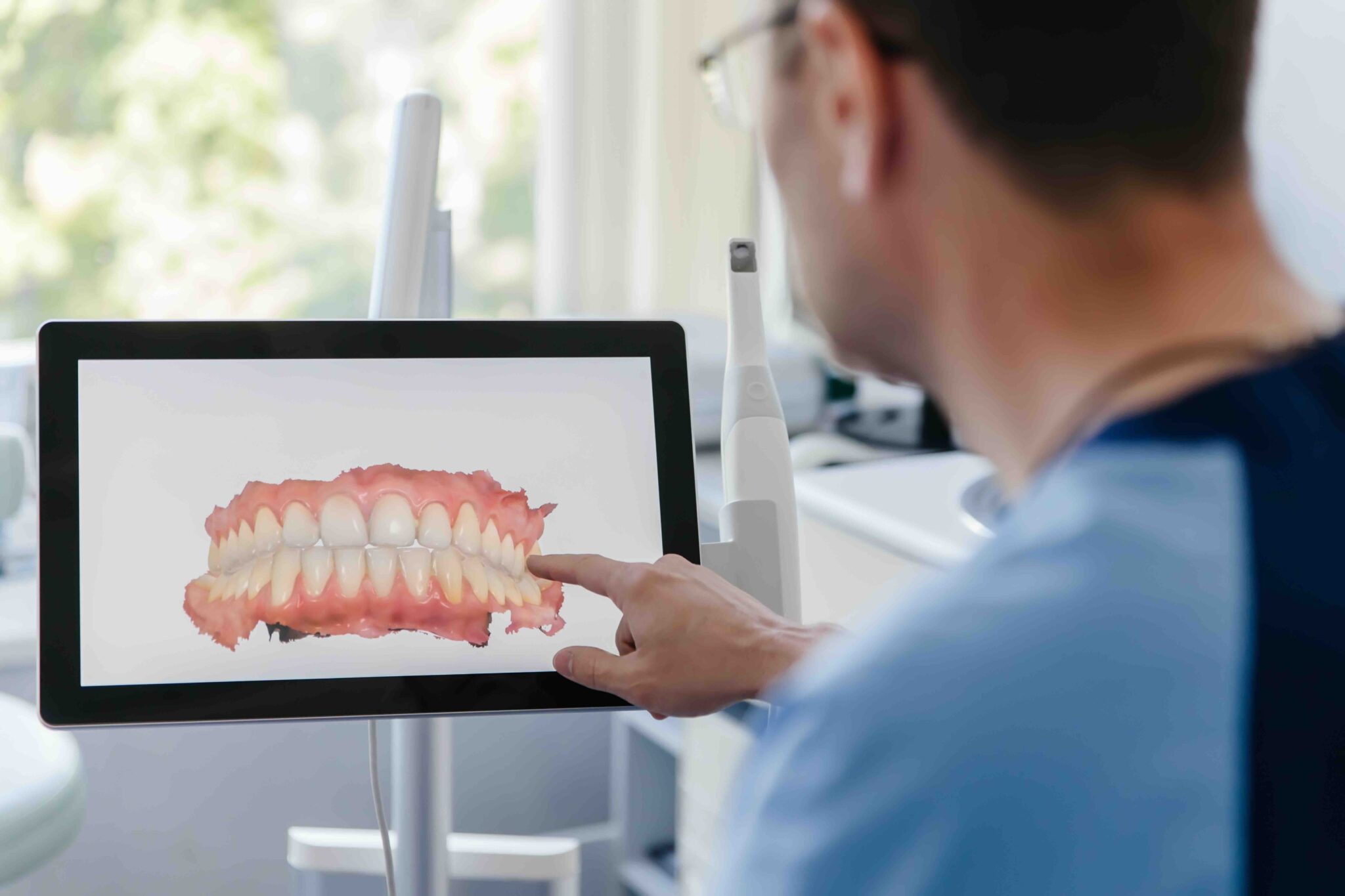
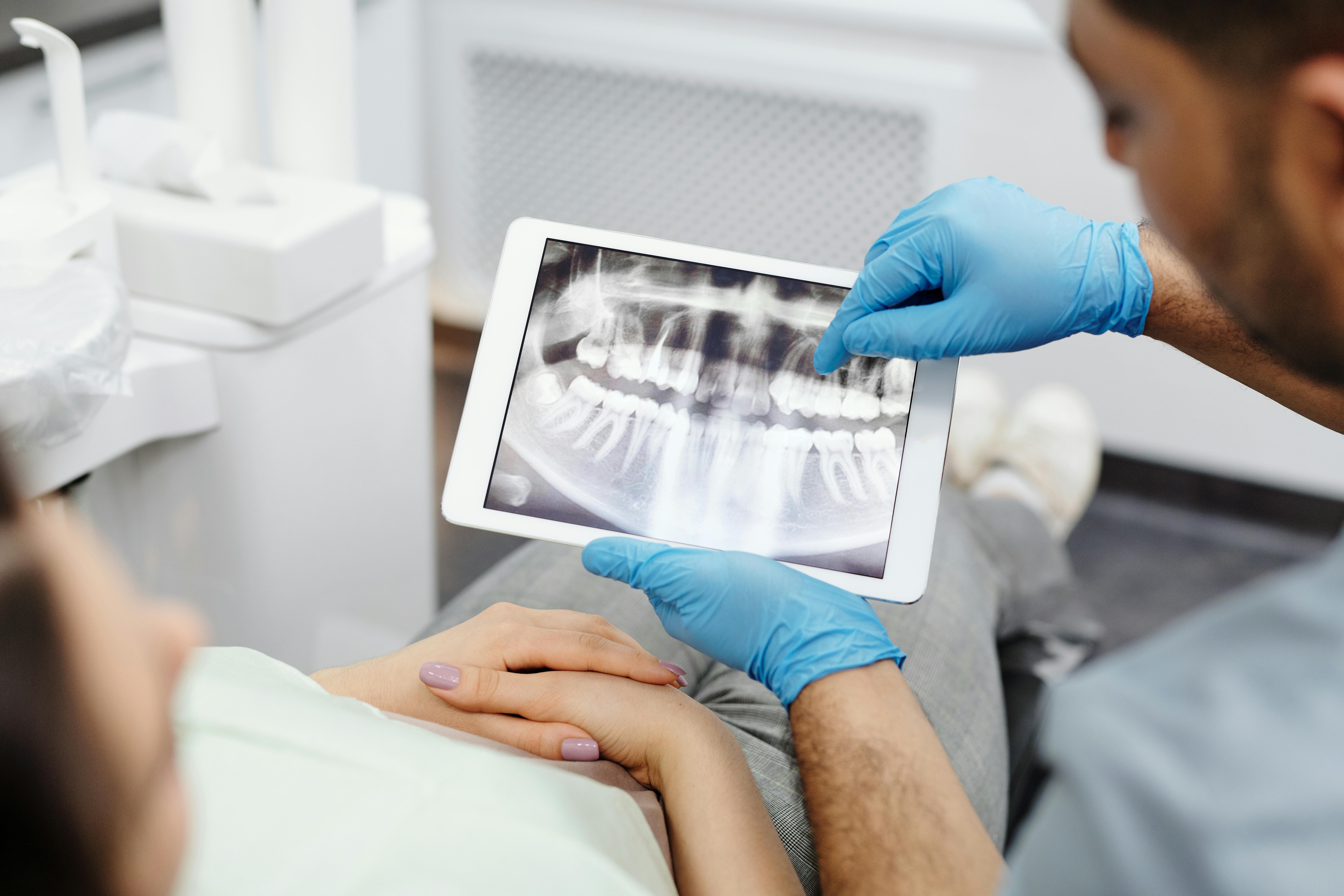
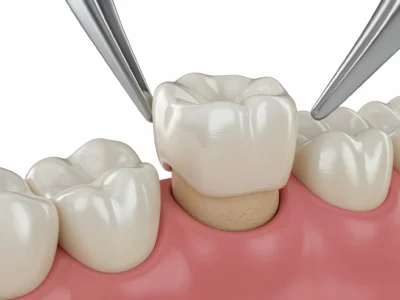
A dental crown is one of those treatments people often hear about long before they actually need one. Then a tooth cracks, an old filling fails, or a root canal leaves a back molar too weak to trust, and suddenly the question becomes practical: what kind of crown makes sense, how much does it cost, and is it worth doing now rather than later?
For patients searching for Dental Crowns Los Angeles CA, the answer depends on more than the tooth alone. Los Angeles is a large, varied market. Fees differ by neighborhood, by the materials a practice uses, by whether digital scanning and in-house milling are available, and by how complex the case is. A straightforward crown on a premolar is very different from rebuilding a heavily damaged molar near the gumline or restoring a front tooth where shade matching has to be exact.
What crowns do well, when they are planned properly, is restore a tooth that still has a sound root and enough healthy structure to support coverage. They can bring back function, reduce the risk of fracture, improve appearance, and often buy many more years for a tooth that would otherwise remain unreliable. They are not magic, and they are not permanent in the literal sense. But in day-to-day practice, they are one of the most dependable restorative treatments dentistry offers.
What a crown actually does
A crown is a custom-made cap that covers the visible portion of a tooth above the gumline. It is designed to fit precisely, match your bite, and protect what remains of the natural tooth underneath. Dentists recommend crowns for several common reasons: a tooth has a large cavity that cannot hold a filling predictably, a fracture has weakened the tooth, a root canal has removed internal support, or an old restoration keeps breaking down. Crowns are also used to improve the shape or color of certain teeth and to restore dental implants.
Patients sometimes picture a crown as a cosmetic shell, but that undersells its purpose. In many cases, the crown is carrying real chewing force. Back teeth absorb heavy pressure, especially in people who clench or grind. A properly designed crown redistributes that force and gives the tooth a stronger external form. That matters because many failed teeth do not break all at once in dramatic fashion. They crack gradually. A cusp loosens. A deep filling leaks. The tooth becomes sensitive when chewing. Then a normal lunch becomes the moment when the remaining structure gives way.
I have seen plenty of patients arrive after putting off treatment because the tooth was “still usable.” Sometimes they were right for a while. Sometimes the delay turned a crown case into an extraction and implant case. That is one of the more expensive ways to learn that timing matters in dentistry.
When a crown is usually the better choice than a filling
There is no fixed percentage of missing tooth structure that automatically means “crown,” but there are clear patterns. The larger the old filling, the more walls of the tooth that are missing, and the more force that tooth takes during chewing, the less predictable another filling becomes.
A molar that has undergone root canal treatment is a classic example. Once the nerve is removed and the tooth has lost substantial internal structure, it becomes more brittle in practical terms. Technically, the dentin changes over time and the architecture is no longer as supportive as before. Functionally, what patients notice is that the tooth may not hurt, but it can split under load. A crown can greatly reduce that risk.
Front teeth are different. They take less force than molars, and sometimes a bonded restoration or veneer is enough. But if the tooth is deeply broken, discolored after trauma, or structurally compromised, a crown may still be the best route. The key is conservation balanced against durability. Good dentists do not Dental Crowns Los Angeles CA place crowns casually. A crown requires reshaping the tooth, and preserving healthy structure is always part of sound treatment planning.
Why crowns are so common in Los Angeles practices
Los Angeles patients often have a mix of priorities. Function matters, of course, but so do esthetics, convenience, and longevity. A working actor may care intensely about the translucency of a front tooth. A busy parent in West LA may want same-day treatment because returning for multiple appointments is difficult. A patient in the Valley who grinds heavily may need a stronger material and a night guard to protect the investment. A retiree on a fixed income may need to compare insurance benefits with cash fees and decide whether to stage treatment over time.
That range of priorities is one reason Dental Crowns Los Angeles CA covers such a wide spectrum of care. Some offices emphasize highly esthetic ceramic work with detailed lab customization. Others lean into digital efficiency, scanning the tooth and milling a crown in one visit. Some focus on complex full-mouth rehabilitation, where the crown is only one part of a larger bite problem. None of these approaches is inherently better in every situation. The right choice depends on the tooth, the bite, the patient’s goals, and the budget.
The main benefits patients usually notice
Crowns are recommended for clinical reasons, but the benefits are easy to feel in daily life. People often put up with a compromised tooth longer than they should because they adapt. They chew on the other side. They avoid crunchy foods. They stop smiling fully if the tooth is visible. Once the crown is in place and adjusted properly, the difference can be surprisingly ordinary in the best sense. The tooth fades back into the background and starts doing its job again.
Here are the benefits patients most often care about:
- Strength and protection. A crown can reduce the chance that a weakened tooth will fracture under normal chewing force.
- Restored function. It helps you bite and chew more comfortably, especially when a tooth has broken cusps or a failing large filling.
- Improved appearance. Modern ceramic crowns can look very natural, particularly on front teeth.
- Longevity compared with large fillings. In many situations, a well-made crown lasts longer and performs more reliably than repeatedly patching the same tooth.
- Better comfort and confidence. Less sensitivity, less food trapping, and fewer worries about the tooth breaking at an inconvenient time.
Each of those benefits has limits. A crown does not make a tooth indestructible. It can still chip, loosen, decay at the margin, or fail if the underlying root cracks. But when the diagnosis is sound and the fit is precise, crowns are often the treatment that turns a questionable tooth back into a serviceable one.
The different types of crowns and where each one shines
Material choice matters because every crown involves a trade-off between esthetics, strength, thickness, wear characteristics, and price. A crown that looks beautiful on a front tooth may not be the smartest option for a heavy grinder’s back molar. On the other hand, a crown that is strong and durable in the posterior may not deliver the translucency needed in the smile zone.
All-ceramic and porcelain crowns
These are popular for visible teeth because they can mimic natural enamel very well. In the right hands and with a good lab, ceramic crowns can capture subtle color variation, translucency, and light reflection. Patients often prefer them when the tooth shows in speech or smiling.
Their main advantage is appearance. Their limitation is that not all ceramics behave the same way under force. Some are quite strong, especially modern zirconia-based options, while others prioritize esthetics over maximum durability. The dentist has to choose the right subtype for the location and the patient’s bite.
Zirconia crowns
Zirconia has become extremely common because it offers impressive strength and can work well in both back and some front areas. Monolithic zirconia, made from a single block rather than layered porcelain, tends to be durable and resistant to chipping. That makes it attractive for molars and for patients who clench.
Older zirconia restorations sometimes looked too opaque for front teeth. Newer formulations have improved, but there is still a practical difference between a crown chosen primarily for beauty and one chosen primarily for force resistance. In the posterior, zirconia is often an excellent fit. In the anterior, the decision is more nuanced.
Porcelain-fused-to-metal crowns
These crowns have a metal base with porcelain layered over it. They were a standard option for years and are still used in many practices. Their strength is respectable, and they can be a good choice in certain situations, especially where durability matters and esthetic demands are moderate.
Their downside is that over time, the porcelain can chip or the metal margin may become visible near the gumline, especially if the gums recede. Some patients also prefer metal-free restorations whenever possible.
Gold and other metal crowns
Metal crowns remain one of the most durable options in the right case, especially for back teeth. They tend to be kind to opposing teeth, fit very precisely, and hold up well under heavy function. Dentists who have practiced long enough have seen many gold crowns outlast expectations.
Most patients in Los Angeles do not request them for visible reasons, but they are still an excellent technical solution for certain molars. The trade-off is obvious: function is superb, but appearance is not subtle.
What the process feels like from start to finish
The crown process is often less dramatic than patients imagine. The first step is diagnosis. The dentist examines the tooth, checks the gums and bone on X-rays, tests the bite, and looks for cracks, old decay, or signs that the tooth may need root canal treatment first. If the foundation is weak, the crown has to wait until the underlying issue is addressed.
The preparation visit usually involves local anesthetic, reshaping the tooth to create space for the crown material, and taking either a digital scan or a traditional impression. If the tooth has lost too much structure, the dentist may build it up with filling material first. A temporary crown is then placed unless the office is making the permanent crown the same day.
Temporary crowns deserve more respect than they get. They are not just placeholders. They protect the prepared tooth, maintain spacing, and let the patient function while the final restoration is being made. If a temporary feels rough, loose, or too tall, patients should call. A bad temporary can irritate the gum or shift the bite.
At the delivery visit, the dentist removes the temporary, checks the fit and contacts, confirms the shade if needed, evaluates the bite carefully, and cements or bonds the final crown. That bite check matters. A crown that is even slightly high can feel wrong immediately or create soreness over the next few days. Most simple adjustments are easy if handled promptly.
Some Los Angeles offices offer same-day crowns using CAD/CAM systems. When the case is appropriate, this can be very convenient. It removes the need for a temporary and a second visit. The trade-off is that not every tooth and not every esthetic case is ideal for same-day fabrication. A highly visible front tooth may still benefit from a master ceramist’s lab work.
What crowns cost in Los Angeles, and why prices vary
Cost is usually the second question patients ask, right after “Do I really need this?” In Los Angeles, a single crown can vary widely in fee. Exact pricing depends on the office, the material, the complexity of the case, the lab, and whether additional treatment is needed first. A common ballpark for a crown in this market is often somewhere in the high hundreds to the low few thousands per tooth, with many practices falling around the mid-range of that spread. If build-up, root canal treatment, gum treatment, or replacement of an old post is needed, the total rises.
The price difference between offices is not random. Some practices use premium labs with detailed esthetic layering. Some provide same-day technology and absorb the equipment costs into their fees. Some are PPO-based and work within negotiated insurance schedules. Others operate fee-for-service and spend more appointment time on shade matching, occlusal analysis, or complex prep design. A crown for a straightforward second molar is not the same service as a front-tooth restoration where a slight color mismatch would be obvious every time the patient speaks.
Patients looking for Dental Crowns Los Angeles CA should also understand how insurance typically works. Many dental plans contribute to crowns when they are medically necessary, but coverage percentages, waiting periods, annual maximums, and frequency limitations vary. It is common for a plan to cover only part of the cost, leaving the patient with a significant out-of-pocket balance. An annual maximum of $1,000 to $2,000 does not stretch far in restorative dentistry, especially if other work is needed in the same year.
If a fee seems surprisingly low, it is reasonable to ask what is included. Does it cover a build-up if needed? What material is being used? Is there a warranty period? Will the crown be made by an outside lab or milled in-house? None of these questions are rude. They are sensible.
What can make a crown more expensive than expected
Crowns do not happen in a vacuum. Sometimes the tooth that seems ready for a simple restoration reveals deeper issues once decay and old filling material are removed. A crack may extend farther than expected. The pulp may become symptomatic and require root canal treatment. The remaining tooth may be too short to retain a crown securely without additional retention or crown lengthening.
These are the moments when treatment plans change, and patients understandably feel frustrated. Good offices try to prepare people for that possibility in advance. Dentistry has an investigative aspect to it. Even with excellent X-rays, you do not always know the full extent of damage until the tooth is cleaned out and directly visualized.
That uncertainty is one reason I tell patients not to compare crown quotes as if they were comparing identical tires. Sometimes they are, often they are not. The diagnosis behind the crown is what determines value.
How long crowns last, realistically
Most patients want a simple answer, and the honest one is that longevity varies. A crown can last well over a decade, and many do. Some fail much sooner. The big factors are material choice, how much natural tooth remains, gum health, decay risk, bite forces, and whether the patient grinds.
A beautifully made crown on a patient with excellent hygiene and a stable bite can perform for many years without drama. The same crown in a mouth with dry mouth, heavy soda intake, inconsistent flossing, and nightly clenching has a much harder life. Often the crown itself is not the weak point. The vulnerable area is the margin where crown meets tooth. If bacteria repeatedly sit there, decay can form around the edge and undermine the restoration.
Night guards are often worth discussing, especially for patients who wake with jaw tension or have a history of fractured fillings and chipped teeth. It is difficult to justify spending a substantial amount on crowns and then ignoring the grinding habit that helped create the problem.
How to choose the right dentist for a crown in Los Angeles
Finding the right office is not only about the fee. Communication and judgment matter at least as much. The best crown providers tend to explain why the tooth needs coverage, what alternatives exist, what material they recommend, and what the limitations are. They also evaluate the bite carefully rather than treating the tooth in isolation.
A useful consultation should answer questions like these:
- Why is a crown recommended instead of a filling or onlay?
- What material is best for this exact tooth and why?
- Will I need a build-up, root canal, or other treatment first?
- Is this likely to be done in one visit or two?
- What is the total estimated fee, including related steps?
Patients often focus heavily on before-and-after photos, and those are helpful for esthetic cases, but they do not tell the whole story. Ask how the office handles bite adjustments, emergencies with temporaries, and follow-up if something feels off. A crown should not just look right. It should disappear into normal function.
Situations where a crown may not be the best answer
Crowns are versatile, but they are not always the first or best option. A small to moderate area of damage may be better served by a bonded filling or ceramic onlay, which can preserve more tooth structure. A tooth with a severe vertical root fracture is usually not salvageable with a crown at all. A tooth with advanced gum disease and poor bone support may not justify the expense if its long-term prognosis is weak.
There are also cases where esthetic goals push patients toward a crown when a more conservative treatment would do. That deserves a careful conversation. Removing healthy tooth structure for purely cosmetic reasons should never be casual. Skilled dentists balance immediate appearance with what will still serve the patient ten or fifteen years down the road.
Caring for a crown so it lasts
A crown does not get a free pass just because the outer shell is man-made. The tooth underneath and the gums around it still need daily care. Brushing along the gumline, flossing consistently, and attending regular cleanings remain the basics. If the crown feels rough, food gets trapped, or floss shreds around it, have it checked rather than Dental Crowns Los Angeles CA simpledentalca.com waiting.
It also helps to use judgment with habits. Chewing ice, tearing open packages with teeth, and biting hard objects can damage natural teeth and crowns alike. Patients who grind should wear the guard they were given, not leave it in a bathroom drawer for six months and then act surprised when the crown chips.
The patients whose crowns tend to last are not necessarily the ones with perfect teeth to begin with. They are the ones who maintain what they have. That pattern shows up again and again.
The practical takeaway for Los Angeles patients
If you have been told you need a crown, the key question is not whether crowns are good or bad in the abstract. It is whether this tooth, in this condition, in your bite, is likely to benefit from one more than from the alternatives. For many teeth, the answer is clearly yes. For others, it takes a more nuanced discussion.
The Los Angeles market gives patients plenty of choice, which is useful if you know what to ask. When reviewing options for Dental Crowns Los Angeles CA, look beyond the headline price. Ask about materials, process, timing, esthetic expectations, and the overall prognosis of the tooth. A crown is an investment in function as much as appearance, and the best outcomes usually come from thoughtful planning rather than rushed decision-making.
When the diagnosis is sound and the execution is careful, a crown can be one of the most satisfying restorations in dentistry. It does not draw attention to itself. It simply lets you chew, speak, and smile without having to think about that tooth every day. That kind of reliability is easy to underestimate until you have lived without it.
Simple Dental Vermont
Address: 8914 S Vermont Ave, Los Angeles, CA 90044
Phone number: +13239493000
FAQ About Dental Crowns Los Angeles CA
How much do crowns cost per tooth?
In the United States, a single dental crown typically costs between $800 and $2,500 per tooth without insurance. The ultimate out-of-pocket price depends heavily on the crown material, the location of the tooth, and whether you have dental insurance coverage.
What is the downside of crowns on teeth?
The primary downside of a dental crown is that the procedure permanently removes natural tooth enamel to shape the tooth for the cap.
Why do dentists push for crowns?
Dentists recommend crowns because a large filling cannot provide enough strength when a tooth loses a major portion of its structure or faces heavy chewing pressure.