Column · @marcogxco272
10 Signs You May Need a Dental Crown
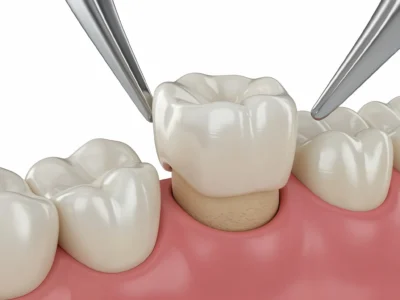

A dental crown is one of those treatments people often hear about long before they understand what it actually does. In simple terms, a crown is a custom-made cap that covers a damaged tooth to restore its shape, strength, and function. Dentists recommend them for many reasons, but the common thread is this: the natural tooth is still worth saving, yet it needs more protection than a small filling can provide.
That distinction matters. Many patients assume a crown is only for a tooth that is badly broken or has already had a root canal. In practice, the warning signs often show up earlier and in quieter ways. A tooth can still look mostly intact and still be weak, unstable, or at risk of fracturing under normal chewing forces. Molars take a lot of punishment over the years. Front teeth face a different kind of stress, including wear, trauma, and cosmetic concerns. A crown is not always the first answer, but there are situations where delaying it leads to a bigger problem later.
If you have been told you might need one, or you are trying to make sense of symptoms in your mouth, these are the signs worth paying attention to.
When a filling is no longer enough
One of the most useful ways to think about Dental Crowns is to compare them with fillings. A filling repairs a smaller area of decay or damage. It works best when most of the tooth is still strong. A crown, by contrast, wraps around the visible part of the tooth and redistributes pressure across the whole structure.
That added support becomes important when the tooth has lost too much healthy enamel and dentin. Once that happens, patching the tooth again and again with larger fillings can turn into a short-term fix. The tooth may hold for a while, then chip, leak, or crack. Dentists see this pattern often Dental Crowns with older molars that have been repaired several times over many years.
Sign 1: a tooth has a large filling that keeps failing
A very large filling is one of the clearest signs that a crown may be the better long-term option. If a filling takes up a substantial portion of the tooth, especially on a back tooth, there is less natural structure left to support chewing. Every bite places force on the remaining walls of the tooth. Over time, those walls can flex or fracture.
Patients often describe a cycle that goes something like this: a cavity gets filled, the filling lasts for years, then a corner breaks off, so the filling is replaced with a larger one. Later, the tooth becomes sensitive or another piece chips away. At a certain point, the issue is not the filling material itself. The issue is that the tooth needs full coverage and protection.
This does not mean every large filling needs an immediate crown. Some teeth remain stable for years. But when a filling is very wide, very deep, or repeatedly repaired, a crown becomes a much more predictable solution.
Sign 2: the tooth is cracked, chipped, or structurally weakened
Not every crack requires dramatic treatment, but cracks deserve respect. Teeth do not heal the way bone or skin does. Once a crack starts, it may stay stable, or it may spread under biting pressure. The difficult part is that the line you see on the surface does not always reveal the full extent below.
A crown is often recommended when a tooth has a substantial chip or a crack that compromises strength but has not yet split the tooth beyond repair. The goal is to hold the remaining structure together and reduce the risk of a catastrophic break. This is especially common in molars, where the cusps, or pointed chewing surfaces, can fracture after years of grinding, clenching, or chewing on hard foods.
Dentists sometimes discover this problem after a patient says, “It only hurts when I bite a certain way.” That kind of sharp, fleeting pain can be associated with a cracked cusp. Sometimes the tooth looks fine at a glance. Sometimes a piece has visibly broken off. Either way, if the damage is more than superficial, a crown may be the treatment that gives the tooth a real chance to last.
Sign 3: you had a root canal on that tooth
A tooth that has had root canal treatment often needs a crown afterward, particularly if it is a back tooth. This is not because the root canal itself ruins the tooth. The issue is that teeth needing root canals are usually already compromised by deep decay, trauma, old restorations, or repeated dental work. After treatment, the tooth may also become more brittle over time because it has lost some internal moisture and structure.
Front teeth are a special case. If a front tooth had a small access opening and still has plenty of healthy enamel, a dentist may restore it with a filling instead of a crown. Molars and premolars are different. They absorb much heavier chewing forces. In those teeth, a crown often provides the support needed to prevent future fracture.
Many patients feel fine once the root canal is done and assume the problem is solved. Then months later the tooth breaks because the protective final step was delayed. It is a frustrating outcome because it is often preventable.
Sign 4: chewing on one side feels tender or unpredictable
Pain does not always mean you need a crown, but certain pain patterns raise suspicion. A tooth that feels sore when chewing, especially if the soreness is isolated to one tooth and has lingered beyond a few days, may be structurally compromised. People often say the discomfort is hard to explain. It may not throb continuously. It may only happen with crunchy foods, bread crust, nuts, or when they release their bite after chewing.
That release pain is something dentists listen for carefully. It can point to a crack or a weakened cusp flexing under pressure. A crown can sometimes stabilize that movement and eliminate the symptom. But the diagnosis matters. Biting pain can also come from gum inflammation, a high filling, sinus pressure in upper teeth, or an untreated cavity.
This is where judgment matters. Not every sore tooth should be crowned. But a tooth with a history of heavy restoration, visible wear, or a suspicious crack line often ends up needing one.
Sign 5: the tooth is badly worn down from grinding or acid erosion
Some patients do not realize how much tooth structure they have lost until photos are taken or a dentist points it out. Years of grinding, clenching, or acid exposure can flatten and thin teeth gradually. Because the process is slow, the mouth adapts. Then one day a tooth chips, or the bite starts feeling different, or the teeth become sensitive to cold and pressure.
When wear reaches a certain level, crowns may be used to rebuild shape and height, protect the tooth, and restore how the upper and lower teeth meet. This tends to be more complex than placing a single crown on one damaged tooth. The dentist has to think about bite balance, jaw forces, aesthetics, and whether the grinding habit is still active. If the underlying habit is not addressed, even a beautifully made crown can chip or loosen.
For that reason, treatment often includes a night guard after the crowns are placed. Crowns solve the structural problem, but they do not remove the force that caused it.
Sign 6: there is severe tooth decay that undermines the remaining tooth
A cavity does not need to be painful to be serious. Some of the most destructive decay causes very little discomfort until it is deep. If the cavity is extensive, a simple filling may not leave enough strong tooth behind. In that situation, a crown may be the best way to restore the tooth after the decay is removed.
The key question is whether enough healthy tooth remains above the gumline to support a restoration. If the answer is yes, a crown can often save the tooth. If the answer is no, the options become more complicated and may involve crown lengthening, a build-up, root canal treatment, or in some cases extraction.
This is one of those moments when timing matters. A tooth that could have been treated with a crown six months ago may no longer be restorable after decay spreads further under the gum or into the roots. It is not rare. Dentists see it often in teeth that had old fillings with hidden leakage around the edges.
Sign 7: the tooth has broken after trauma
A fall, sports injury, or accident can fracture a tooth in an instant. Front teeth are especially vulnerable, though back teeth can crack too if the jaw closes forcefully during impact. The right treatment depends on how much of the tooth has broken and whether the nerve is involved.
A small chip may only need bonding. A larger fracture, especially one that removes a substantial portion of the visible tooth, often calls for a crown. The crown helps restore strength, shape, and appearance in a way that a large bonded repair may not be able to do reliably over time.
This is especially relevant when the fracture line extends into a corner or edge that takes regular bite pressure. Cosmetic appearance matters, of course, but structural predictability matters just as much. A beautifully shaped repair is not much use if it pops off every few months.
Sign 8: a tooth looks misshapen, severely discolored, or cosmetically compromised
Not every crown is placed because of pain or structural failure. Sometimes the issue is appearance, though the best cosmetic cases are usually those where function and appearance overlap. A tooth may be darkened after trauma or root canal treatment. It may be misshapen from development, old bonding, or previous wear. It may simply stand out in a way that cannot be corrected well with whitening or a veneer.
Crowns can be an excellent option when the whole visible tooth needs to be reshaped or masked. That said, dentists usually try to preserve as much natural tooth as possible. If a veneer, bonding, or whitening can achieve the goal conservatively, those options are often worth discussing first.
The judgment call comes down to how much tooth structure is present, how the tooth bites against the opposite arch, and how durable the cosmetic result needs to be. Front teeth invite especially careful planning because tiny differences in length, color, and contour are easy to notice.
Sign 9: the tooth is supporting a bridge or topping a dental implant
Sometimes a crown is needed not because the natural tooth is failing, but because the crown itself is the final restoration in a broader treatment plan. A crown is commonly placed on top of a dental implant, and crowns are used as part of many dental bridges as well.
If your dentist recommends reshaping a tooth to support a bridge, that usually means the adjacent missing tooth needs replacement and the neighboring teeth are strong enough to act as anchors. In other cases, a damaged or missing tooth is replaced with an implant and crown rather than restoring the original tooth.
This matters because patients sometimes hear “you need a crown” and assume the tooth is worse than it is. Sometimes the crown is restorative. Sometimes it is prosthetic. The reasons are different, even if the end result looks similar in the mouth.
Sign 10: your dentist keeps monitoring the same tooth
There is a certain kind of tooth that shows up on x-rays and exams again and again. It is not causing dramatic symptoms. It may not even be painful. But every visit, the dentist checks a crack, tests the bite, looks for leakage around an old filling, and asks whether anything has changed. If the same tooth remains on the watch list, that alone can be a sign that a crown may eventually be needed.
This kind of monitoring is not a stall tactic. It is often the right approach when the tooth is borderline. Dentists try not to overtreat. If a tooth can be preserved safely with a smaller restoration, that is usually preferable. But if the signs accumulate, such as growing cracks, repeated sensitivity, crumbling enamel margins, or recurrent decay, the balance shifts.
Patients sometimes regret waiting only after the tooth breaks on a weekend or during travel. That does not mean every watched tooth should be crowned immediately. It means a pattern matters. Dentistry is full of gray zones, and this is one of them.
What your dentist looks at before recommending a crown
The decision is rarely based on one symptom alone. Dentists consider several factors together, including the amount of tooth remaining, the location of the tooth, your bite forces, the health of the roots, and whether the tooth can be restored predictably.
A crown recommendation tends to be stronger when these conditions are present:
- More than one wall of the tooth is compromised or missing.
- The tooth has a history of repeated fillings or fractures.
- Biting forces are high, especially on molars or in people who grind.
- A crack, root canal, or deep cavity has reduced structural integrity.
- A long-lasting cosmetic or functional rebuild is needed.
That list is useful, but it is not a substitute for examination. Two teeth can look similar on an x-ray and need completely different treatment once the old filling is removed and the true extent of damage is visible.
What getting a crown usually involves
Patients are often more anxious about the process than the crown itself. The appointment is usually straightforward. The tooth is numbed, shaped so the crown can fit properly, and scanned or molded. In many offices, a temporary crown is worn while the final one is made. Some practices can make the crown on site the same day, but that depends on the case and the technology available.
The final crown may be made from porcelain, ceramic, zirconia, metal, or a combination of materials. The best choice depends on where the tooth is located, how much force it handles, how visible it is when you smile, and how much room there is between your upper and lower teeth.
The first few days after placement can feel slightly unfamiliar. A good crown should not feel “high” when you bite, and it should allow floss to pass with a bit of resistance, not shredding or snapping. If something feels off, it is worth having it checked early. Small bite adjustments can make a big difference.
Crowns are strong, but they are not maintenance-free
A common misunderstanding is that once a tooth has a crown, it is somehow protected from all future problems. Crowns are durable, but the tooth underneath still matters. Decay can form at the edge where the crown meets the tooth. Gum disease can still affect the supporting tissues. Grinding can still damage porcelain or loosen cement over time.
These simple habits help crowns last longer:
- Brush thoroughly along the gumline, where plaque tends to collect.
- Floss daily, especially around the edges of the crown.
- Avoid chewing ice, pens, or very hard foods with crowned teeth.
- Wear a night guard if you clench or grind.
- Keep regular dental visits so small issues are caught early.
Well-made crowns can last many years, often well over a decade, but lifespan varies with bite forces, oral hygiene, diet, and the amount of natural tooth left underneath. A crown on a lightly loaded front tooth may behave very differently from one on a Dental Crowns heavily used molar in someone who grinds.
The question behind the question
When people ask, “Do I really need a crown?” they are often asking something slightly different. They are asking whether the tooth can be saved, whether the treatment is worth the cost, and whether a smaller fix might buy them enough time.
Those are reasonable questions. A crown is an investment, and it is not automatically the answer every time a tooth is damaged. But when a tooth is weakened past a certain point, delaying a crown can create more expense, more pain, and fewer options later. The aim is not to place crowns aggressively. The aim is to use them when they offer the best chance of keeping a compromised tooth functional for years.
If one of these signs sounds familiar, the next useful step is not guesswork at home. It is a careful exam, x-rays if needed, and a direct conversation about what the tooth looks like now, what may happen if you wait, and whether there are realistic alternatives. That is where the decision becomes clear.
Simple Dental Vermont
Address: 8914 S Vermont Ave, Los Angeles, CA 90044
Phone number: +13239493000
FAQ About Dental Crowns
How much do crowns cost per tooth?
In the United States, a single dental crown typically costs between $800 and $2,500 per tooth without insurance. The ultimate out-of-pocket price depends heavily on the crown material, the location of the tooth, and whether you have dental insurance coverage.
What is the downside of crowns on teeth?
The primary downside of a dental crown is that the procedure permanently removes natural tooth enamel to shape the tooth for the cap.
Why do dentists push for crowns?
Dentists recommend crowns because a large filling cannot provide enough strength when a tooth loses a major portion of its structure or faces heavy chewing pressure.